
Guests Arrived. My Dog’s Manners Left. |
A calmer doorway starts before anyone knocks. Give your dog space, practise in small steps and let your guests settle first. |
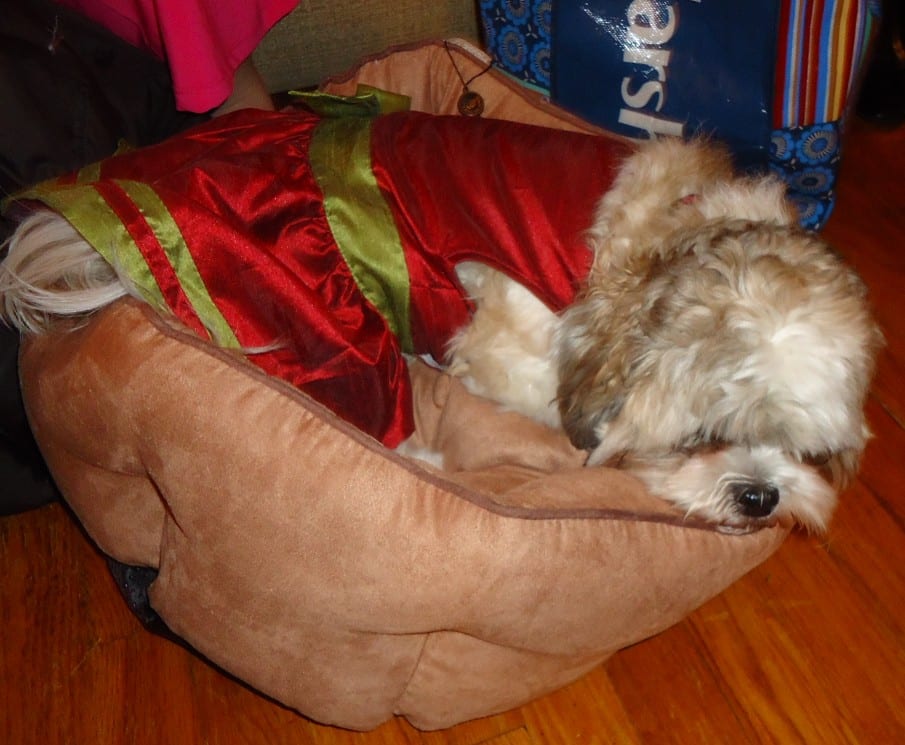
Your dog can sit, settle and look perfectly civilised. Then the doorbell goes and all three qualifications expire. Visitors change several things at once. There’s a noise at the door, somebody unfamiliar in the hallway and often a burst of attention. If your dog jumps, barks or backs away, start by making the arrival easier to manage. Get the door open without holding a training sessionBefore guests arrive, set up a comfortable spot away from the entrance. A familiar room or a secure gate can give everyone space while you open the door. Settle your visitors first. If your dog is calm and your guest wants to meet them, you can decide whether to try an introduction. A dog can spend the visit in their quiet space if that suits them better. If you’re carrying a tray of mugs and somebody is standing on the doorstep in the rain, that’s a perfectly good day to use the gate and leave the practice for later. Practise the knock when nobody’s coming inStart with a sound your dog can handle. Ask a helper for a gentle knock, or play a doorbell sound quietly. Reward a calm response. Separately, practise going to a mat or bed and settling there. Put the two together once each part is familiar, and keep the sessions short enough that your dog can still concentrate. If the barking ramps up or your dog can’t settle, make the exercise easier. Lower the volume, increase the distance or take a break. The aim is for a knock to become ordinary. Dogs Trust has a step-by-step visitor training guide and a separate guide to teaching a settle. Give both sides a choiceAsk guests to come in calmly and give the dog room. If your dog keeps their distance, stiffens or tries to move away, stop the greeting and let them retreat. If visits regularly involve growling, snapping or persistent fear, arrange safe separation and speak to your vet about suitable behaviour support. Repeated greetings are a poor experiment when somebody might get hurt. What this looks like on an ordinary visitSay a friend is coming for tea and your dog usually rushes the hallway. Set up their familiar resting spot before your friend arrives, with water and a closed door or secure gate. Tell your friend in advance that you’ll get them settled first. When they ring, open the door with the dog already apart from the entrance. Once everyone is inside, you can leave things there. A quiet visit without a greeting can be a successful visit. For the next practice session, change just one thing, such as how loudly the helper knocks. If the dog can settle after a soft knock but gets worked up when it’s louder, go back to the quieter version. Save any real introduction for a calm occasion when you can give it your full attention. Try one small change before your next visitor arrives. Even deciding where your dog will wait while you open the door can make the first minute easier for everyone. For more training resources, see Raimonda’s Smarter Paws Hub, which offers free membership. Trail Blaze Media prepared this feature independently. The visitor-training steps above are sourced to Dogs Trust. A dog resting in a dog bed. Photo: Tomwsulcer. Image source · CC0 1.0. |

0 Comments
Join the conversation
Be the first to comment
Share your thoughts above.